
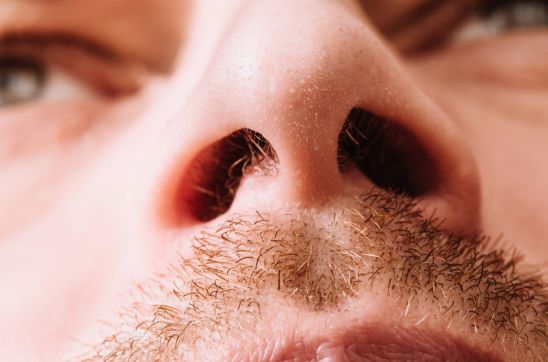
We obsess over smooth skin, shiny hair, and sharp jawlines—but the hair inside our nose? Not so much. Most people only notice nasal hair when it starts peeking out in selfies. But these tiny strands are not random body design. They are functional, purposeful, and working nonstop like security guards you never hired, but definitely need. And while grooming trends keep changing, biology hasn’t updated its stance—nostril hair has a job to do.
Many people also rely on products like isotonic nasal spray to clear congestion, especially during allergies or pollution exposure, but very few understand that the real heroes are already sitting right inside the nose.
Let’s break this topic down without making it sound like a science lecture, and actually appreciate why nasal hair means more than just grooming.
What Is Nasal Hair?
So, what is nasal hair? It refers to the thicker hair strands that grow at the opening of the nose, inside the nostrils. These are different from microscopic cilia that exist deeper inside the nasal cavity. The visible ones at the entrance are called “vibrissae,” but for the rest of the world, they are simply nostril hair.
Unlike scalp hair, these strands are shorter, thicker, and strategically placed to block intruders like dust, germs, pollen, and microscopic debris. In simpler words, when you inhale, these strands catch the particles that shouldn’t be traveling further into your lungs.
Scientifically, nasal hair means filtration. Functionally, it means protection. Socially, it means the one grooming step most people forget until someone points it out.
What Is the Function of Nasal Hair?
If you’ve ever wondered function of nasal hair, here’s the truth: it is part of your immune system. Yes, hair can be part of immunity too.
The most accurate sentence to describe it is: the function of nasal hairs of human body is to trap airborne particles before they enter the respiratory system. Every breath carries potential irritants, and without nasal hair, your body would have to fight far more infections than it currently does.
Their core functions include:
• Filtering dust & pollutants – especially important for people living in urban or industrial areas
• Blocking allergens – reducing allergy flare-ups
• Protecting lungs – ensuring cleaner air enters your body
• Supporting mucus flow – helping trapped particles move outward instead of inward
• Preventing infections – reducing bacterial and viral entry
Many people think that nasal sprays do the filtering—but sprays like isotonic nasal spray only assist in cleansing and hydration, they don’t replace the natural filter, which is the role of nasal hair.
Role of Nasal Hair in the Human Body
The role of nasal hair is often underestimated. It’s not just a filter, it’s the first checkpoint before air reaches your lungs. It works alongside mucus and cilia to maintain nasal hygiene.
Even when you use an isotonic nasal spray, it simply flushes out congestion and maintains moisture. It doesn’t stop new particles from entering—that remains the core function of nasal hair.
These hairs also help in:
• Maintaining air humidity
• Regulating inhaled air temperature
• Reducing dryness in nasal lining
• Supporting sinus health
So when someone jokes about nostril hair, remind them—it’s basically your internal Dyson air purifier.
Is It Safe to Remove Nasal Hair?
The internet is divided on grooming advice, but science is not:
Safe → Trimming the visible nasal hair
Not Safe → Plucking or removing nasal hair entirely
Here’s why:
• Plucking can cause open wounds at the follicle level
• It increases the risk of bacterial infection
• It may lead to ingrown hair and painful bumps
• It reduces filtration efficiency
If you’re removing hair for cosmetic reasons, trim it, don’t uproot it. The goal is grooming, not eviction. The nose remembers trauma.
For people with sinus issues or seasonal congestion, trimming can sometimes lead to temporary dryness. That’s when supportive hydration from isotonic nasal spray can help maintain moisture balance.
Also Read: Does Nose Shape Change with Age
Common Myths About Nasal Hair
Let’s bust myths that refuse to die:
| Myth | Reality |
| Nose hair is useless | It’s your body’s first air filter |
| Removing it improves breathing | Over-removal can cause infections and worsen allergies |
| Only old people have it | Even teenagers have nostril hair |
| Nasal sprays can replace it | Sprays like isotonic nasal spray only cleanse, they don’t filter |
You don’t need to love your nasal hair, but you definitely need to respect it.
• Trim when necessary
• Never pluck completely
• Appreciate its function of nasal hair
• Support dryness or congestion with an isotonic nasal spray if needed
These strands are small, but their role of nasal hair is massive—protecting your lungs, immunity, and overall respiratory health silently, 24×7.
Yes, every human has nasal hair. It’s not an exception, it’s standard body equipment.
The role of nasal hair includes filtration, allergy reduction, infection blocking, and lung protection.
Only when extremely long. Regular trimming keeps airflow smooth.
Once every 2–3 weeks or only when it becomes visibly long.