
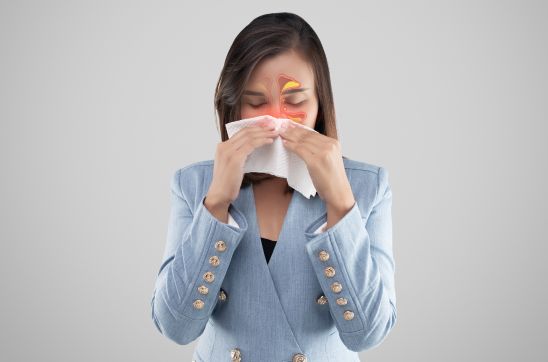
If you’ve ever suffered from that dull, throbbing pain behind your eyes, stuffy nose, and constant pressure in your head, you already know how uncomfortable sinus infections can be. While medications and nasal sprays for sinus relief are commonly used, the real focus should be on sinus prevention—taking steps to stop infections before they even start.
The prevention of sinusitis involves more than just avoiding cold weather or dust; it’s about strengthening your sinus health through daily habits, hygiene, and environmental awareness. Let’s explore the most effective ways to reduce your risk of developing sinus infections and breathe easier all year long.
Common Causes of Sinus Infections
To understand how to prevent sinus infections, it’s essential to first know what causes them. Sinus infections, also known as sinusitis, occur when the air-filled cavities in your face (the sinuses) become inflamed or blocked. This inflammation leads to a buildup of mucus and, often, bacterial or viral infections.
Here are the most common triggers:
Allergies and Irritants:
Seasonal allergies can inflame your nasal passages, increasing your susceptibility to infection. Regular sinusitis prevention measures can help reduce flare-ups caused by pollen, dust, or pollution.
Cold or Flu:
Viral infections like the common cold can lead to secondary sinus infections. Maintaining good immunity is a key part of prevention of sinusitis during flu season.
Pollution and Smoke Exposure:
Inhaling pollutants or cigarette smoke irritates nasal tissues, making sinus prevention more challenging. Limiting exposure to such irritants is vital.
Dry Air:
Dry environments can cause your nasal passages to lose moisture, leading to congestion and sinus inflammation. Using a humidifier can assist in sinusitis prevention at home.
Deviated Septum or Nasal Polyps:
Structural problems in your nasal cavity can obstruct airflow, causing mucus to build up. Seeking medical advice early supports better sinus prevention outcomes.
Understanding these causes allows you to take proactive steps toward how to prevent sinus infections naturally and effectively.
How to Prevent Sinus Infections
Healthy sinuses depend on daily care, hydration, and hygiene. Let’s look at practical, doctor-approved ways to ensure prevention of sinusitis and promote better breathing.
Keep Your Nasal Passages Moist
Dry nasal passages are breeding grounds for infection. Use a nasal spray for sinus congestion regularly to keep your sinuses clean and hydrated. Saline sprays or rinses help flush out irritants, allergens, and bacteria—making sinusitis prevention easier and more natural.
Stay Hydrated
Water is one of your body’s best defense mechanisms. Drinking enough fluids helps thin mucus, improving sinus drainage. This simple habit supports sinus prevention and enhances your body’s natural cleansing process.
Maintain Proper Hygiene
Washing your hands frequently, especially after being in crowded areas, reduces your risk of catching viruses that can lead to sinus infections. Personal hygiene plays a major role in how to prevent sinus problems during flu season.
Avoid Allergens and Triggers
If you’re prone to allergies, identify your triggers—whether it’s pollen, pet dander, or dust. Use air purifiers and clean your bedding frequently. These small lifestyle adjustments contribute significantly to the prevention of sinusitis.
Practice Steam Inhalation
Steam helps open nasal passages, loosen mucus, and soothe irritated sinuses. Regular steaming, especially after exposure to pollution or dust, is a natural form of sinus prevention that you can easily do at home.
Get Enough Sleep
A strong immune system is your best ally in sinusitis prevention. Lack of sleep weakens your body’s ability to fight infections. Aim for at least 7–8 hours of quality rest each night.
Use Humidifiers Wisely
Adding moisture to the air with a humidifier prevents nasal dryness. However, make sure to clean your humidifier regularly, as bacteria buildup can defeat the purpose of sinus prevention.
Avoid Smoke and Air Pollutants
Cigarette smoke and chemical fumes can inflame nasal tissues, worsening sinus health. Maintaining a clean indoor environment goes a long way in the prevention of sinusitis and related breathing issues.
Eat Immune-Boosting Foods
Your diet influences your sinus health. Include fruits rich in vitamin C, such as oranges and kiwis, along with anti-inflammatory foods like garlic and turmeric. A balanced diet supports sinus prevention naturally.
Consider Medical Help When Needed
If you experience frequent sinus infections, consult a healthcare provider. Sometimes, underlying conditions like allergies or structural nasal issues require medical treatment for effective sinusitis prevention.
Preventing Sinus Issues During Allergy Season
Allergy season can be especially challenging for those prone to sinus infections. During this time, airborne particles like pollen, mold, and dust are at their peak, making sinus prevention extra important.
Here’s how to protect yourself:
Use a Nasal Spray for Sinus Relief Daily
A saline-based nasal spray for sinus cleaning helps remove allergens and prevents them from triggering inflammation.
Limit Outdoor Exposure
Try to stay indoors during high pollen counts. Keeping windows closed and using air conditioning with clean filters supports prevention of sinusitis during allergy months.
Change Clothes and Shower After Going Out
Pollen sticks to your hair and clothing. Changing and rinsing off after outdoor exposure minimizes allergens—a simple step in sinus prevention.
Maintain Indoor Air Quality
Regular dusting, vacuuming, and using air purifiers with HEPA filters make a huge difference in sinusitis prevention.
Avoid Strong Scents
Perfumes, cleaning sprays, and incense can irritate nasal passages. Choosing fragrance-free products contributes to better sinus prevention and allergy control.
Monitor Weather and Pollution Levels
Dry winds and high pollution days can aggravate sinuses. On such days, wearing a mask outdoors and staying hydrated are effective sinusitis prevention strategies.
With these adjustments, you can stay comfortable and avoid recurring sinus problems, even when allergies are in full swing.
Also Read: How to Tell If Sinus Infection Has Spread to the Brain
Healthy sinuses lead to better breathing, improved sleep, and fewer infections. While you can’t always avoid exposure to viruses or allergens, consistent habits like staying hydrated, using a nasal spray for sinus, and maintaining a clean environment can drastically reduce your risk.
The prevention of sinusitis is a lifestyle approach—it’s not just about treating symptoms but stopping the causes before they develop. By following these simple yet effective sinus prevention tips, you can enjoy clear, easy breathing and fewer sick days all year round.
Also Read: Neti Pot for Sinus Relief: Benefits, Safety & How to Use
FAQs
Can sinus infections be prevented completely?
While complete prevention isn’t always possible, adopting strong sinus prevention habits—like using a nasal spray for sinus cleaning, staying hydrated, and managing allergies—can drastically lower your risk.
Does staying hydrated really help prevent sinusitis?
Yes! Hydration keeps mucus thin and helps your sinuses drain properly, which is essential for sinusitis prevention and avoiding blockages.
How does pollution affect sinus health?
Polluted air irritates nasal tissues, increasing inflammation and infection risk. Reducing exposure is a key part of how to prevent sinus infections in urban environments.
Can allergies trigger sinus infections?
Absolutely. Allergies cause nasal swelling and mucus buildup, which can easily turn into infections. Using a nasal spray for sinus and managing allergens are crucial for the prevention of sinusitis during allergy seasons.